
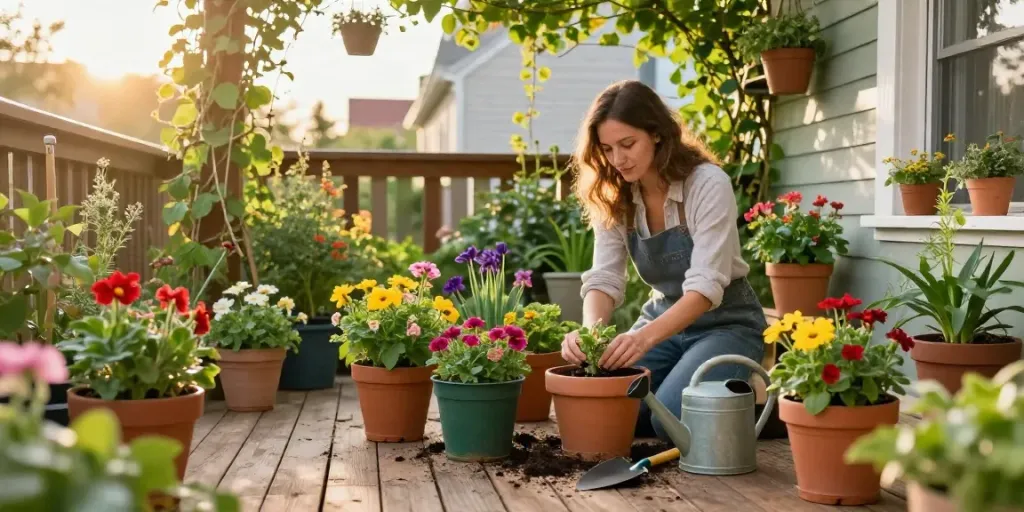
Understanding the World of Pots and Planters
Pots and planters serve as essential vessels for cultivating plants, adding both aesthetic appeal and functionality to our living spaces. With the rise in urban gardening, the demand for stylish and practical options has surged. When exploring options, pots and planters are no longer just utilitarian objects; they have evolved into design statements that reflect personal style and environmental consciousness.
What Are Pots and Planters?
Pots are generally small containers designed primarily for the placement of individual plants. They often feature a drainage hole to allow excess water to escape, preventing root rot. Planters, on the other hand, can accommodate multiple plants and are often larger, allowing for more creative gardening options, such as layered displays or mixed arrangements. Both pots and planters can be used indoors or outdoors, depending on their design and materials.
Key Differences Between Pots and Planters
While the terms "pots" and "planters" are often used interchangeably, there are notable distinctions:
- Size: Pots are typically smaller, suitable for single plants, while planters can be larger and house several plants.
- Design: Planters tend to have more elaborate designs and can function as decorative elements in a garden or home, whereas pots are often more straightforward.
- Functionality: Pots mainly focus on accommodating one plant’s needs, whereas planters often consider aesthetic arrangements and landscaping.
Common Materials Used in Planter Production
Planters are made from a variety of materials, each offering unique benefits:
- Ceramic: Popular for its aesthetic appeal, ceramic pots provide a classic look but can be heavy and fragile.
- Plastic: Lightweight and versatile, plastic planters are budget-friendly and often come in various colors and shapes.
- Metal: Durable and stylish, metal planters can add a modern touch but may require liners to prevent rusting.
- Wood: Natural and rustic, wooden planters blend well with outdoor environments but may need treatment to withstand weathering.
- Fiberglass: Lightweight and durable, fiberglass can mimic other materials while providing excellent weather resistance.
The Growing Popularity of Pots and Planters in Urban Spaces
As urban living spaces become more confined, the trend towards incorporating greenery has gained momentum. Many city dwellers are now embracing gardening as a means to enhance their living environments. This not only improves air quality but also contributes to the overall well-being of residents. Urban gardening utilizing pots and planters allows individuals to create lush oases of greenery even in small apartments or balconies.
Benefits of Adding Greenery to Urban Settings
Integrating plants into urban environments offers myriad benefits:
- Improved Air Quality: Plants naturally filter pollutants, making the air cleaner.
- Stress Reduction: Green spaces can significantly reduce stress levels and promote mental well-being.
- Enhanced Aesthetics: Pots and planters can transform dull concrete jungles into vibrant gardens.
- Community Engagement: Urban gardening can foster community ties, with people sharing gardening tips and produce.
Trends in Urban Gardening: Vertical Planters and Hanging Gardens
Innovative gardening solutions such as vertical planters and hanging gardens are quickly becoming prevalent. These designs maximize space usage and can transform even the smallest balconies into lush retreats. Vertical gardening systems allow for the charming display of herbs, flowers, and decorative plants while promoting a sustainable lifestyle.
Case Studies: Successful Urban Gardening Projects
Numerous cities worldwide have implemented community gardening projects that showcase the success of pots and planters in improving urban living. For instance, New York City’s “GreenThumb” initiative supports community gardens throughout the five boroughs, demonstrating how collective gardening can beautify neighborhoods while promoting local food sources.
Choosing the Right Pots and Planters for Your Space
Choosing the correct pots and planters is crucial in ensuring that your plants thrive. Understanding factors such as size, style, and functionality can enhance your garden's overall effectiveness and beauty.
Factors to Consider: Size, Style, and Functionality
When selecting pots and planters, consider the following:
- Size: Ensure the pot or planter is appropriate for the plant's growth. Larger plants need larger containers with adequate space for root development.
- Style: Choose designs that complement your interior or exterior décor. Color, shape, and material should harmonize with the surrounding environment.
- Functionality: Consider whether you need drainage holes and if the planter will be placed indoors or outdoors. Self-watering options can be beneficial for busy gardeners.
Recommended Pots and Planters for Indoor Use
Indoor gardening requires a specific approach to selecting pots and planters:
- Self-Watering Planters: Ideal for forgetful gardeners, these pots automatically provide moisture.
- Decorative Ceramic Pots: Great for adding a splash of style to your home while retaining moisture.
- Wall-Mounted Planters: Perfect for maximizing vertical space and creating a lush wall of greenery.
Best Outdoor Planters for Various Climate Conditions
For outdoor use, the choice of pots and planters should account for climate conditions:
- Frost-Resistant Materials: Opt for fiberglass or treated wood in colder climates to prevent damage during winter.
- Heat-Resistant Options: Choose materials like terracotta in hotter regions, which can keep soil cooler.
- Drainage Features: Ensure outdoor planters have adequate drainage to prevent standing water, particularly in rainy areas.
Maintenance Tips for Long-lasting Pots and Planters
To ensure your pots and planters maintain their beauty and functionality, regular maintenance is essential. Consider these maintenance tips:
Proper Drainage Practices for Healthy Plants
Ensure that all pots and planters contain drainage holes to prevent excess water accumulation, which can lead to root rot. For planters that do not have drainage, consider using a layer of gravel at the bottom or switching to a self-watering design to enhance water management.
Cleaning and Protecting Your Planters
Regularly clean your pots and planters to prevent algae growth and pests. Use a mixture of vinegar and water for plastic and ceramic pots, while metal containers benefit from a gentle soap and water wash. To protect your planters from harsh weather, consider bringing them indoors during extreme temperatures.
Seasonal Care: Preparing for Winter and Summer
Prepare your plants for seasonal changes. In winter, consider wrapping pots in burlap or other insulating materials to protect roots from freezing. In summer, ensure that outdoor planters are regularly watered and shaded from intense afternoon sun and extreme heat.
Future Innovations in Pots and Planters by 2026
The future of pots and planters is bright, with innovations on the horizon that promise to enhance our gardening experiences.
Smart Planters: Integrating Technology in Gardening
Future planters are set to incorporate smart technology, allowing for automated watering and monitoring of soil conditions via apps. These innovations aim to make gardening more accessible and less time-consuming, catering to tech-savvy urban dwellers.
Sustainable Materials: Eco-friendly Options for Planters
As environmental awareness grows, the demand for sustainable materials in planter production is increasing. Expect more biodegradable options, as well as planters made from recycled materials, providing eco-friendly gardening solutions.
Predictions for Gardening Trends in Urban Environments
By 2026, urban gardening trends will likely include a surge in community gardens and shared green spaces, encouraging communal gardening efforts. Additionally, the incorporation of permaculture principles in urban planning can further optimize the use of pots and planters in city landscapes, fostering biodiversity.