
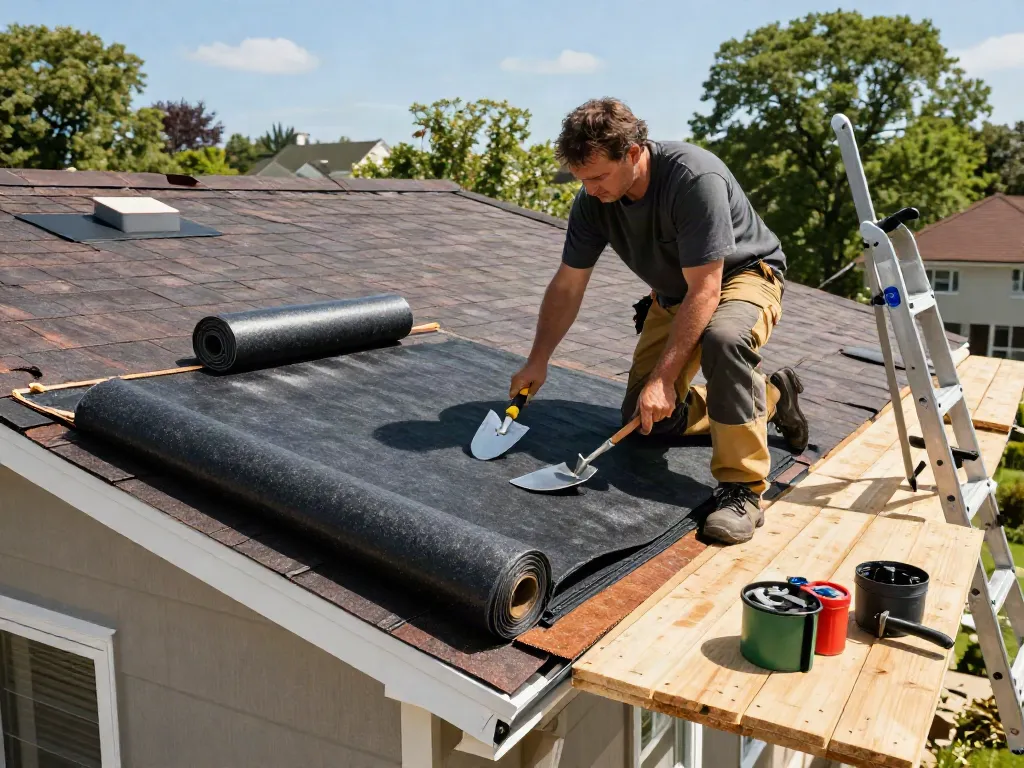
Understanding Felt Roof Replacement
Felt roofing is a popular choice for many homeowners due to its affordability and versatility. As a flat-roofing solution, it is primarily made from bitumen and is designed to provide a waterproof barrier over structures like garages, extensions, and outbuildings. However, as time passes, these roofs can suffer from wear and tear, leading to the need for replacement. Understanding the fundamentals of felt roofing and the implications of replacing it can significantly impact the longevity and safety of your home.
For those considering a felt roof replacement, it's important to recognize both the benefits and challenges associated with this type of roofing system.
What is Felt Roofing?
Felt roofing is comprised of multiple layers of felt material, often made from fiberglass or bitumen, that are adhered together with adhesives or heated during installation. This creates a durable, waterproof surface that can effectively protect your property from the elements. Different types of felt roofing include torch-on felt, self-adhesive felt, and traditional felt roofing systems, each offering various benefits depending on the structure and climate conditions.
Benefits of Using Felt Roofs
- Cost-effective: Compared to other roofing materials, felt roofing is relatively affordable, making it accessible for many homeowners.
- Quick Installation: Felt roofs can be installed quickly, which minimizes disruption and allows for immediate protection from weather conditions.
- Durability: Modern felt roofing systems can last up to 20 years or more when installed correctly, with proper maintenance extending its lifespan.
- Versatility: Felt roofs can be used on various structures, making them suitable for homes, garages, and commercial properties.
Common Problems with Old Felt Roofing
As felt roofs age, they may develop a range of issues including cracking, blistering, and leaks. These problems can stem from poor installation, inadequate maintenance, or simply the effects of weather over time. Recognizing these issues early can help prevent more extensive damage and costly repairs down the line.
Identifying When to Replace Your Felt Roof
Knowing when to replace your felt roof is crucial in maintaining the integrity of your property. Regular inspections can help identify potential problems before they escalate. Look for signs of distress such as sagging areas, water pooling, or visible cracks in the felt material.
Signs You Need a Felt Roof Replacement
- Leaks: If water begins to enter your home, it is a clear sign that your felt roofing has failed.
- Blistering: Bubbles or blisters on the surface indicate moisture trapped beneath the felt which can lead to significant damage.
- Cracking: Visible cracks or splits in the material should be taken seriously as they can compromise your roof’s waterproofing.
Comparing Repair vs. Replacement Costs
When faced with roof issues, homeowners often wonder whether to repair or replace their felt roof. A simple localized repair may be less expensive initially, but if the roof’s overall condition is poor, replacement can be a more cost-effective long-term solution. It's essential to weigh the costs of both options in terms of materials, labor, and the potential for future repairs.
Understanding Lifespan Expectations for Felt Roofs
Modern felt roofs typically last between 10 and 20 years, depending on factors such as the quality of materials, installation technique, and maintenance. Regular inspections and timely repairs can extend the lifespan significantly. However, if your roof is approaching the end of its expected lifespan and exhibiting signs of wear, it may be time to consider a replacement.
The Felt Roof Replacement Process Explained
Replacing a felt roof involves several steps that must be followed for optimal results. Understanding this process can help homeowners prepare for what to expect, and to ensure that their roof is replaced effectively.
Steps to a Successful Roof Replacement
- Inspection: Assess the condition of the existing felt roof and identify any underlying damage.
- Removal: Carefully strip the old felt roofing, ensuring to dispose of it according to local regulations.
- Base Preparation: Inspect and repair the underlying structure as necessary to ensure a solid base for the new roof.
- Installation: Apply the new felt roofing, following the manufacturer's instructions for the chosen material.
- Final Inspection: Conduct a thorough inspection to ensure everything is installed correctly and securely.
Essential Tools and Materials Required
To complete a felt roof replacement, you will need specific tools and materials including:
- Roofing felt
- Adhesives or torches (depending on installation method)
- Utility knife
- Measuring tape
- Rollers for smoothing
- Safety equipment, including gloves and goggles
Hiring a Professional vs. DIY Approach
While some homeowners may consider a DIY approach to replacing their felt roof, hiring a professional is often recommended. Experienced roofers can guarantee proper installation, which is crucial for the longevity and performance of your new roof. Additionally, professionals can identify and address underlying issues that may not be immediately visible.
Comparing Quotes for Felt Roof Replacement
When it comes to replacing your felt roof, it’s essential to gather multiple quotes from contractors to ensure you’re getting a fair price. A comprehensive comparison can help you understand each contractor’s approach, the materials they suggest, and the overall costs involved.
What to Look for in a Roofing Quote
When evaluating roofing quotes, pay attention to the following:
- Detailed Breakdown: Ensure the quote outlines all costs, including labor and materials.
- Material Quality: Compare the types of roofing felt and other materials being proposed by different contractors.
- Warranties: Look for warranties on both materials and labor, indicating the contractor’s confidence in their work.
Evaluating Contractor Qualifications
Before selecting a contractor, check their qualifications and experience. Look for contractors who are licensed, insured, and have positive reviews or references from previous clients. This can help ensure that you hire a reputable and skilled professional.
Understanding Material Choices and Pricing
Different materials come with varying price tags. Understanding material choices can help you make an informed decision that balances cost and durability. Discuss the pros and cons of different felt systems, including traditional felt versus modern torch-on systems, with your contractor.
Future Trends in Roofing Solutions for 2026
The roofing industry continues to evolve, with new technologies and materials emerging each year. Staying informed about the latest trends can help homeowners make better decisions regarding their roofing solutions.
Innovative Materials in Roof Construction
As sustainability becomes a priority, innovative materials such as solar reflective coatings and green roofing systems are gaining popularity. These materials not only improve energy efficiency but also extend the lifespan of roofing systems.
Sustainable Practices in Roofing
In 2026, sustainable practices will likely become standard in roofing projects. This includes the use of recycled materials and systems designed to enhance energy efficiency. Homeowners planning replacements may want to consider the environmental impact of their roofing choices.
Emerging Technologies for Roof Maintenance
Technological advancements are set to enhance roof maintenance and monitoring. Smart roofing technologies that provide real-time data on moisture levels and structural integrity can help homeowners make informed decisions about their roofs.
Can I refelt a roof myself?
While it is possible to refelt a roof yourself, it requires experience and the right tools. Many homeowners benefit from consulting with a professional to ensure the job is done correctly and safely.
What is the life expectancy of a felt roof?
A well-installed felt roof can last between 10 to 20 years, depending on various factors including the quality of materials used and maintenance performed.
Should you remove old felt when replacing a roof?
Yes, it is generally advisable to remove the old felt to inspect for any underlying damage before installing the new roofing system.
Can you put new felt on top of old felt?
While it is sometimes possible to install new felt over old felt, this is not recommended as it may trap moisture and lead to future problems.
What are the costs involved in felt roof replacement?
Costs can vary depending on the size of the roof, the materials used, and local labor rates. However, homeowners should prepare for expenses ranging from £2,000 to £5,000 for an average-sized felt roof replacement.